Attic Insulation
Understanding the Importance of Proper Attic Insulation
Your attic plays a crucial role in maintaining your home’s energy efficiency and comfort levels throughout the year. When properly insulated, this often-overlooked space becomes a powerful barrier against heat transfer, keeping conditioned air where it belongs and preventing outdoor temperatures from affecting your indoor environment.
At ABC Air Conditioning & Heating Specialist Inc.™, we understand that effective attic insulation works hand-in-hand with your HVAC system to create optimal comfort while reducing energy consumption.
Poor attic insulation forces your heating and cooling equipment to work overtime, leading to increased wear on components and higher utility bills. During summer months, inadequate insulation allows radiant heat from your roof to penetrate living spaces below, causing your air conditioning system to run constantly. In winter, precious heated air escapes through the ceiling, creating cold spots and drafts that make certain rooms uncomfortable regardless of thermostat settings. Our technicians regularly encounter homes where upgrading attic insulation reduces cooling costs by 20-30% while significantly improving overall comfort.
Types of Insulation Materials and R-Value Requirements
The effectiveness of insulation materials is measured by R-value, which indicates resistance to heat flow. Higher R-values provide better thermal performance, and the Department of Energy recommends R-30 to R-60 for attics in East Central Florida, depending on existing insulation levels and specific home characteristics. We work with various insulation types to meet these requirements, each offering distinct advantages for different situations and budgets.
Fiberglass batts remain popular due to their affordability and ease of installation in standard joist spacing. These pre-cut sections work well in unfinished attics with regular framing patterns. Blown-in fiberglass or cellulose provides superior coverage in irregular spaces, filling gaps around wiring, plumbing, and framing members that batts might miss. Spray foam insulation, while more expensive initially, creates an air-tight seal that addresses both insulation and air infiltration concerns simultaneously. Our experienced technicians evaluate factors including existing insulation condition, moisture levels, ventilation requirements, and accessibility when recommending the most appropriate solution for each home.
Signs Your Attic Needs Better Insulation
Several indicators suggest inadequate attic insulation that warrants professional evaluation. Fluctuating indoor temperatures despite consistent thermostat settings often point to insufficient insulation allowing outdoor conditions to influence interior comfort. Ice dams forming along roof edges during winter indicate heat loss through the attic, melting snow that refreezes at colder eaves. High energy bills compared to similar homes in your neighborhood frequently trace back to poor insulation forcing HVAC systems to compensate for thermal losses.
Physical inspection reveals additional warning signs including visible ceiling joists in the attic, compressed or deteriorated existing insulation, evidence of moisture damage or pest activity, and uneven insulation distribution. We frequently discover homes built decades ago still relying on original insulation that has settled, shifted, or degraded over time. Modern insulation standards far exceed what was considered adequate when many Oviedo, Orlando, Cocoa, Sanford, and surrounding areas homes were constructed, making upgrades particularly beneficial for older properties.
Professional Installation Process and Best Practices
Proper attic insulation installation requires more than simply adding material to achieve desired R-values. We begin with comprehensive assessment including:
- Air sealing identification: locating and sealing penetrations where conditioned air escapes
- Ventilation evaluation: ensuring proper soffit and ridge ventilation prevents moisture buildup
- Existing insulation assessment: determining whether removal or supplementation makes more sense
- Safety inspection: checking for electrical hazards, structural issues, or contamination requiring remediation
Our installation process follows industry best practices including protecting HVAC equipment and ductwork, maintaining proper clearances around recessed lighting and heat-producing fixtures, installing barriers to prevent insulation from blocking ventilation paths, and ensuring uniform coverage without gaps or compression. We understand that as specialists in residential and light commercial sales and service, proper insulation directly impacts the performance of every major make and model of HVAC equipment we service.
Long-Term Benefits and Return on Investment
Upgrading attic insulation delivers immediate comfort improvements while providing substantial long-term financial benefits. Energy savings typically recover installation costs within 3-5 years, after which reduced utility bills continue generating positive returns. Properly insulated attics reduce strain on heating and cooling equipment, extending system lifespan and reducing repair frequency. This proves especially valuable given that we typically respond to service requests the same day, understanding how critical maintaining comfortable indoor temperatures is for our customers.
Enhanced insulation also improves indoor air quality by reducing infiltration of outdoor pollutants, allergens, and humidity. Consistent temperatures throughout your home eliminate hot and cold spots that make certain rooms unusable during extreme weather. Our large fleet and dedicated staff allow us to provide installations within two business days, minimizing disruption while delivering these lasting benefits. Additionally, proper attic insulation increases property value, with studies showing buyers willing to pay premiums for energy-efficient homes with lower operating costs.
*On select HVAC systems. Not valid with any other promotions. Limit one coupon per customer.

Includes removal of the current unit. Our team of experts will install and test the new unit.
Not valid with any other promotions.Limit one coupon per customer.

Not valid with any other promotions. Limit one coupon per customer.

Does not include new system replacement/installation or duct system replacement.
Not valid with any other promotions. Limit one coupon per customer.

We will check your system’s coils, refrigerant levels, electrical components, filtration, and overall condition.
Discounted price for a “Service Call” is provided only when the customer pays for an additional repair. Not valid with any other promotions. Limit one coupon per customer.

Based on approval. Not valid with any other promotions. Limit one coupon per customer.
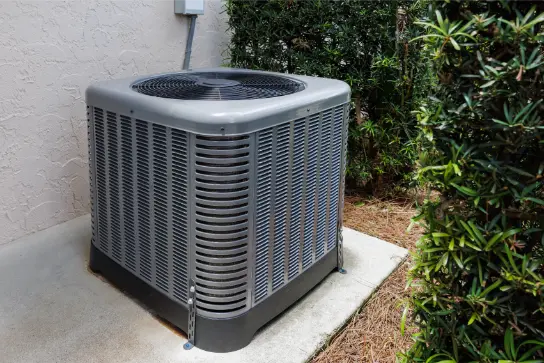
Our technicians are comfortable working on all brands of A/C units.
Not valid with any other promotions. Limit one coupon per customer.

Not valid with any other promotions. Limit one coupon per customer.


Now Offering 0% Interest Financing
Keeping you and your family comfortable all year long.

Now Offering Free Estimates
Contact ABC Air Conditioning & Heating Specialist Inc.™ today!